Founder & Researcher
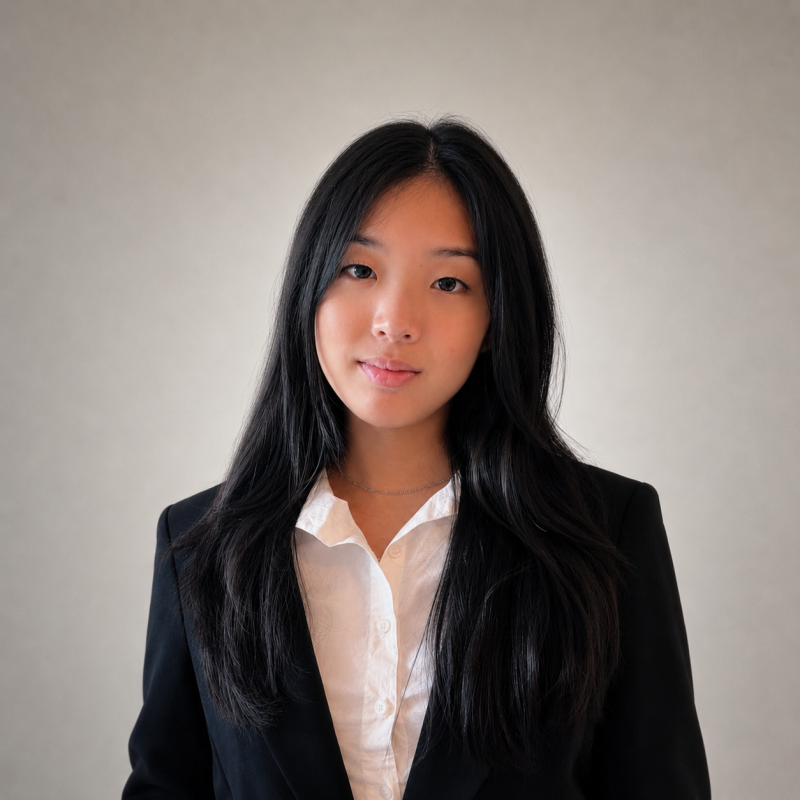
Evelyn Kim
Senior at Singapore American School (Class of ’27). Author of “Artificial Intelligence in Emotional Intelligence Training for Autism” — Curieux Academic Journal, July 2025; also on the UNESCO Learning Planet Institute Youth Fellow platform (PDF) — the paper that started this work.
Phase 1 lead: study design, taxonomy, clip curation, participant outreach, data analysis.
Mission
“Technology has often made it harder for people to connect. I believe it can also do the opposite — help human relationships feel a little smoother, a little richer. This is my small attempt to look for that path in the corner I know best: data and information. It's already turning into a long one.”
The full story of how the project took its current shape — paper findings, the pivot, what I learned along the way — is on the research page. First-person notes on individual milestones are on the project diary.
Research & educator advisors
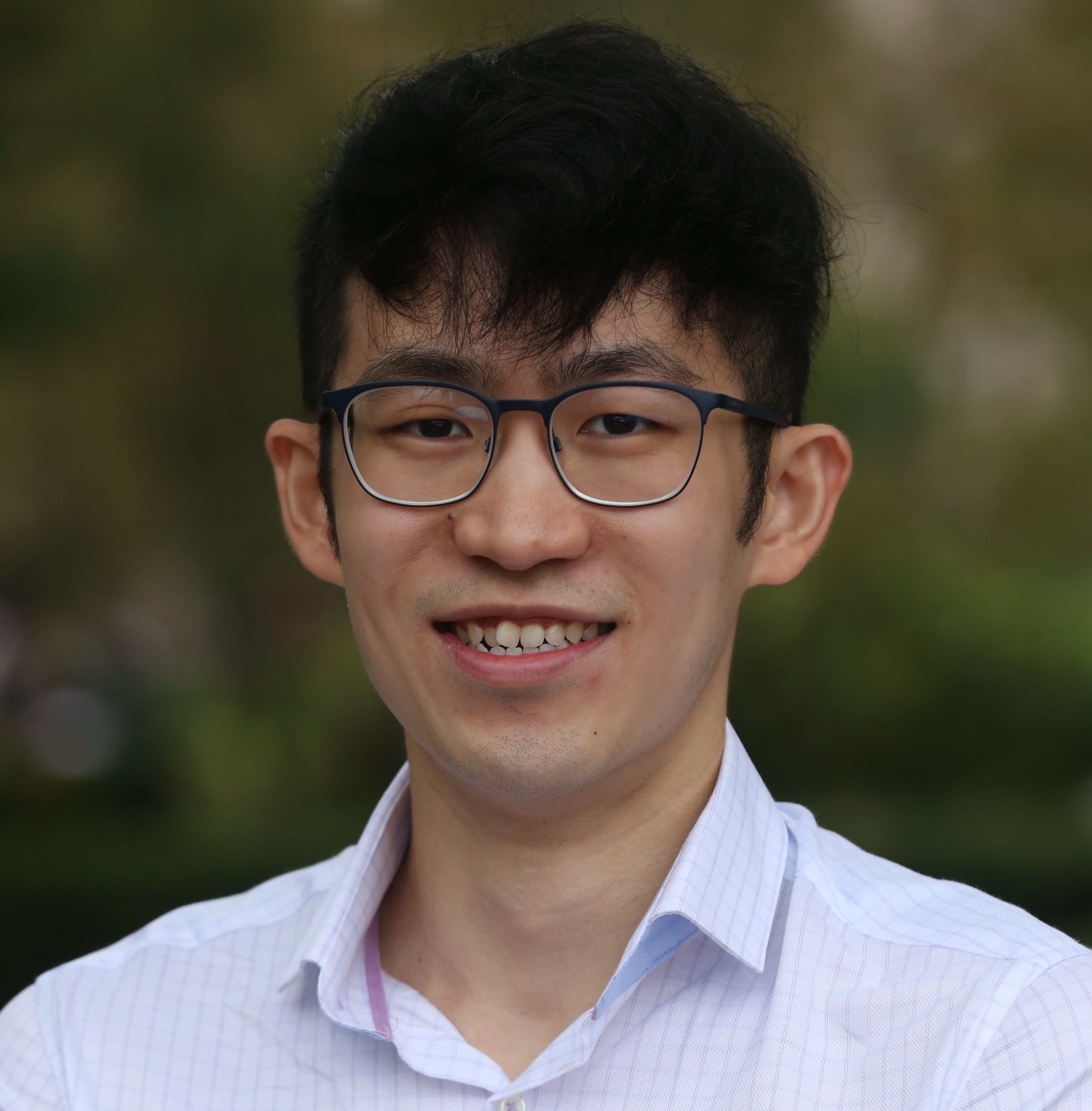
Zhi Hao Lim
Research Advisor
Behavioral & experimental economics · Cognition and Decision Lab, Columbia University
PhD candidate in Economics at Columbia University. His research combines field and lab experiments with careful econometric analysis to study how people process information, form judgments, and make decisions — with particular attention to the cognitive and behavioral foundations of those choices. Advises Evelyn on the experimental design and methodology behind MindLens Lab.
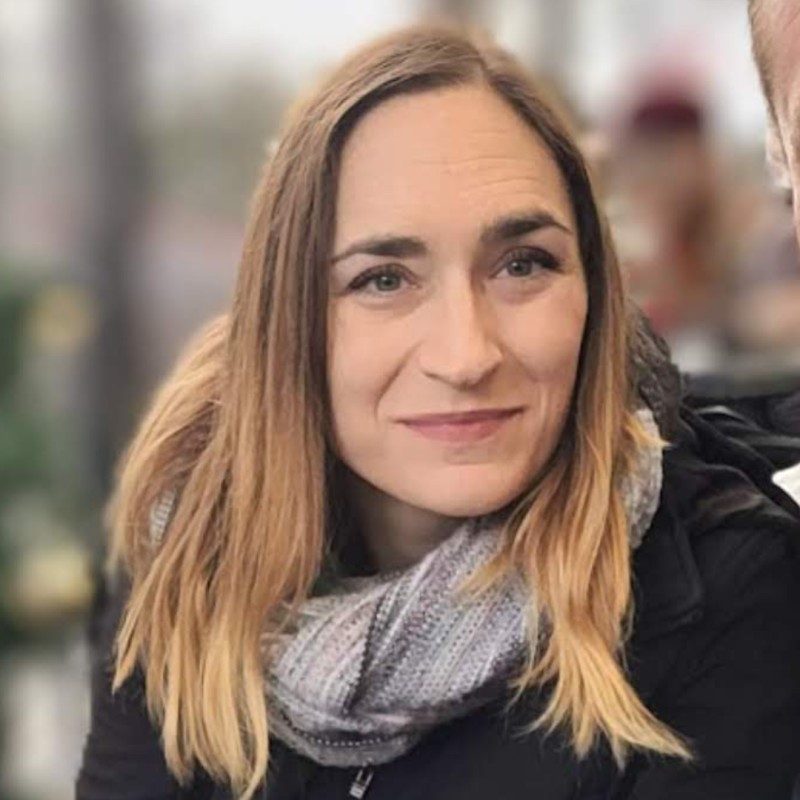
Genevieve Knaus
Educator Advisor
As Evelyn's mathematics teacher at Singapore American School, Genevieve has supported Evelyn in pursuing advanced mathematics and continues to offer broader mentorship — both inside math and across the curiosities Evelyn brings to it. She helps MindLens Lab as an educator collaborator, giving ongoing holistic feedback on the project as it evolves.
With thanks to
Acknowledgments
- Curieux Academic Journal — for publishing the originating paper and providing a venue for high-school student research.
- UNESCO Learning Planet Institute Youth Fellow platform — for hosting the paper and connecting it to a global youth-research community.
- Singapore American School — for the academic environment that made the originating paper possible, and for recruitment support.
- Every participant — every reading you contribute is the substance of this work.
- Sean Kim (Evelyn's parent) — for site planning and AI-assisted development support.
We're growing
Roles open to the right people
MindLens Lab is small on purpose. Phase 1 is data collection — once we're ready for Phase 2 (validated study materials), we want to partner with people who deepen the research, not extend the scaffolding. Roles we're thinking about:
- Faculty advisor — cognitive science, developmental psychology, autism research, or emotion recognition. To shape methodology beyond Phase 1.
- Educator collaborator — someone working with neurodiverse learners who can co-design the eventual study materials and ground them in classroom reality.
- Researcher (read-only) — for statistical or qualitative analysis of the dataset, with the option to co-author findings.
Interested? Email contact@mindlenslab.org with a short note about how you'd engage.
The site
About this site
This site is a data-collection and analysis space for the MindLens Lab study — rooted in Evelyn Kim's originating paper (2025) and its mission of understanding how differently people read emotion.
All research for this project — design, hypotheses, participant recruitment, data interpretation, and manuscript work — is grounded 100% in Evelyn's work. The site's software was built with AI assistance (Claude, via Anthropic's Cowork mode), carried out under human design, direction, and review at every step.
Reach the team: contact@mindlenslab.org